
Harbin Dongri Machinery Equipment
Harbin Dongri Machinery Equipment Co., Ltd.
Harbin Dongri Machinery Equipment Co., Ltd.
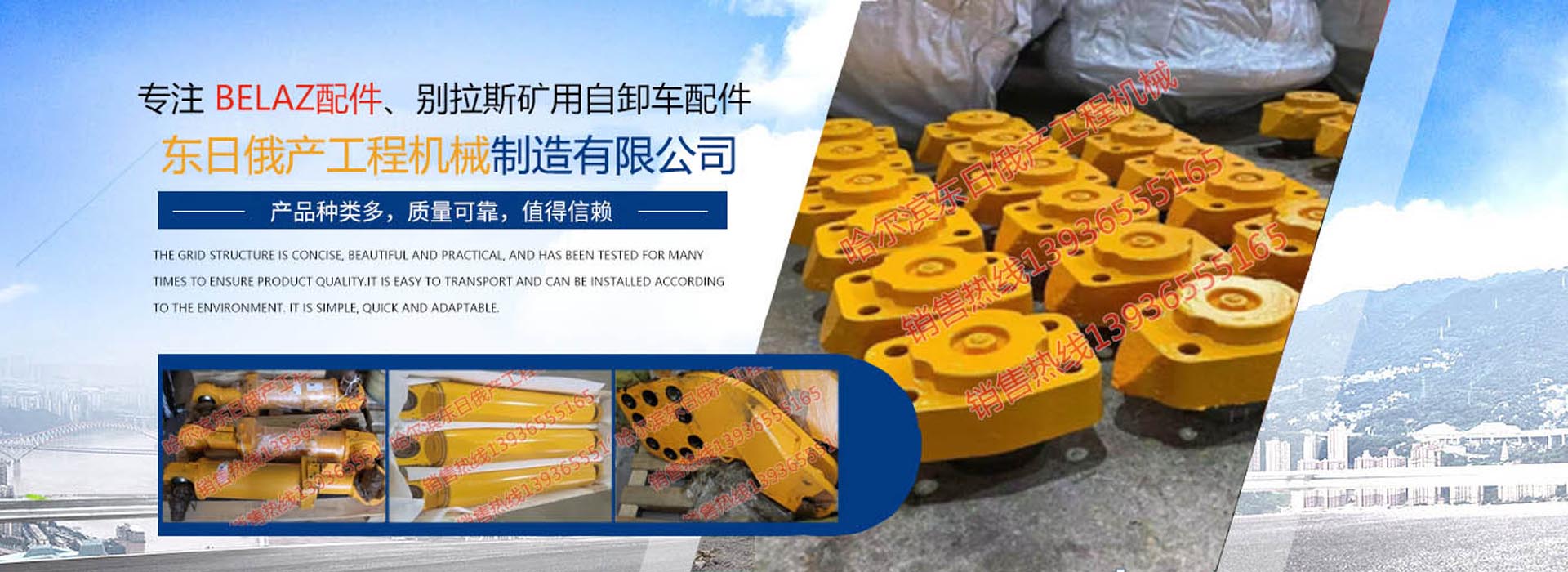
BelAZ mining trucks are specialized vehicles used in mining areas, currently widely employed in large factories and mines due to their powerful engines and large capacity; they are favored by many mining companies.
The BelAZ mining truck industry shares many similarities with the special-purpose vehicle industry, such as relatively small market size, highly specialized products, and companies facing small-batch, diversified user demands.
However, the mining truck industry and the special-purpose vehicle industry had a significantly different competitive environment in the foreign vehicle market before China's accession to the WTO. From its inception, China's mining truck industry grew alongside the continuous import of foreign mining trucks. In other words, it "danced with wolves." Moreover, tariffs on imported mining trucks were already extremely low, even lower than the average tariff rate of 25% for automobiles committed to by China upon WTO accession in 2006, reportedly between 6% and 9%, with some large imported mining trucks even subject to zero tariffs. In this sense, the mining truck industry had already "joined the WTO" long before.
So, given that the mining truck manufacturing industry has grown from nothing to a significant size even with tariff barriers having little effect, why can't the special-purpose vehicle industry, which joined the WTO with a certain foundation, develop even better? The concerns and anxieties of enterprises stem primarily from a lack of understanding of the competitive market environment after WTO accession.
Therefore, we might as well examine the development experience and market characteristics of the mining truck industry so that the special-purpose vehicle industry can find lessons to learn and use as a reference for its future development.
Previous article:What is the function of BELAZ engine parts?
Next article:How did Belaz mining trucks end up in China?


